

High-Quality Power System Modeling for Factories and Manufacturers
Enhance the efficiency and reliability of your Power System with our advanced modeling solutions. Baoyu Co., Ltd. offers a comprehensive range of power system modeling software that provides accurate simulations and analysis for optimal system performance, Our software utilizes state-of-the-art algorithms to model complex power system components, including generators, transformers, and transmission lines, allowing for in-depth evaluation of system behavior under various operating conditions. With our user-friendly interface, engineers can easily input system parameters and obtain insightful results for informed decision-making, Trust Baoyu Co., Ltd. to provide reliable and innovative power system modeling solutions that meet the demands of modern energy infrastructures


Best Practices For Power System Modeling Where Service Meets Innovation Industry Leaders
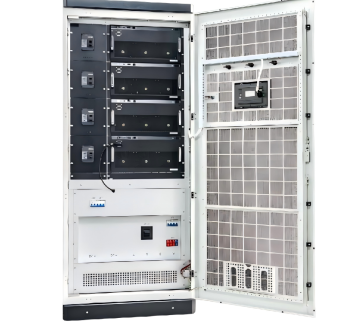
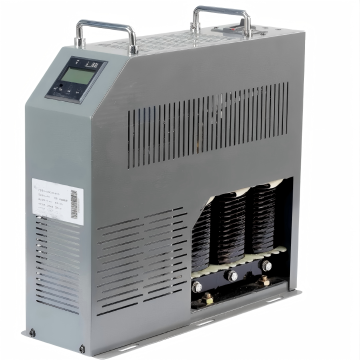
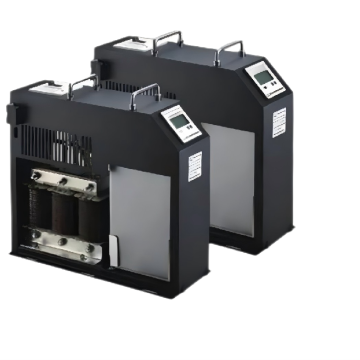
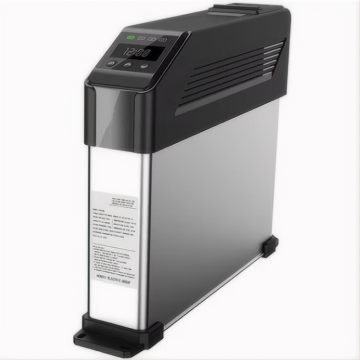
In today's rapidly evolving energy landscape, the importance of reliable power system modeling cannot be overstated. As industries strive to integrate innovative technologies while maintaining high service standards, effective power quality solutions are essential. Best practices in power system modeling focus on leveraging advanced analytics and sophisticated tools to assess and optimize the performance of electrical systems. By utilizing intelligent controlled products, industries can minimize disturbances, improve Energy Efficiency, and ensure system stability. One critical aspect is the integration of active harmonic filters and static var generators, which play a pivotal role in enhancing power quality. These solutions not only reduce harmonics and reactive power demands but also adapt dynamically to varying load conditions, ensuring consistent performance. Industry leaders understand the necessity of a proactive approach, implementing regular monitoring and maintenance to preemptively address potential disruptions. The synergy between innovation and service ensures that businesses remain competitive while meeting the growing demands for sustainability and efficiency. Collaboration and knowledge sharing across sectors are vital for advancing power system modeling practices. By fostering partnerships and investing in R&D, businesses can drive innovation in power quality solutions. This collective effort not only leads to enhanced product offerings but also reinforces a commitment to customer satisfaction and ongoing support. In an increasingly interconnected world, adopting these best practices positions companies as leaders in their field, paving the way for a more resilient and efficient energy future.
Best Practices For Power System Modeling Where Service Meets Innovation Industry Leaders
| Dimension | Description | Best Practice | Innovation Approach | Impact on Service |
|---|---|---|---|---|
| Model Accuracy | Ensure the model reflects real system behavior. | Regular updates and data validation. | Utilizing advanced simulation tools. | Improved reliability and performance predictions. |
| Integration of Renewables | Incorporate renewable energy sources into models. | Develop hybrid models for diversified energy sources. | Dynamic modeling of fluctuating supply. | Enhanced grid stability and energy security. |
| Data Management | Organize, store, and analyze model data efficiently. | Implement centralized data systems. | Use cloud technologies for accessibility. | Faster analysis and decision-making. |
| Regulatory Compliance | Align modeling efforts with regulatory requirements. | Regular compliance audits and updates. | Leverage software for compliance tracking. | Minimized risks of regulatory penalties. |
| Stakeholder Collaboration | Engage stakeholders in the modeling process. | Conduct collaborative workshops and reviews. | Utilize platforms for real-time feedback. | Strengthened relationships and shared goals. |
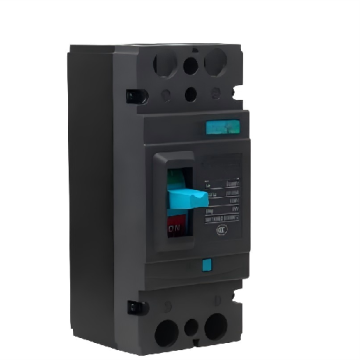
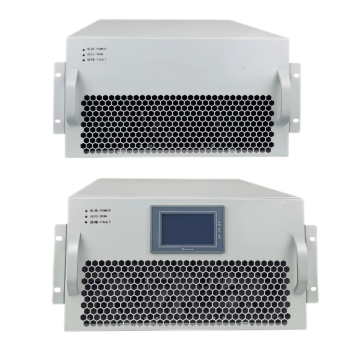
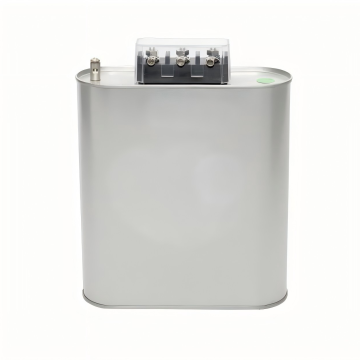
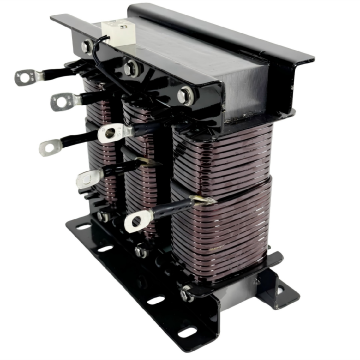
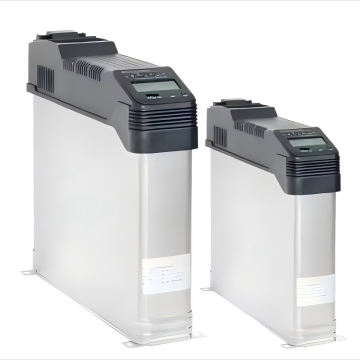
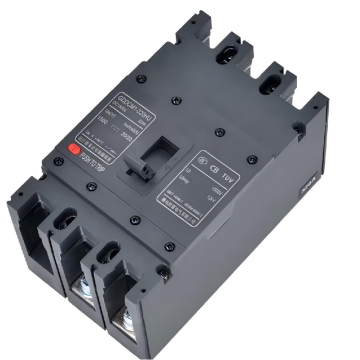
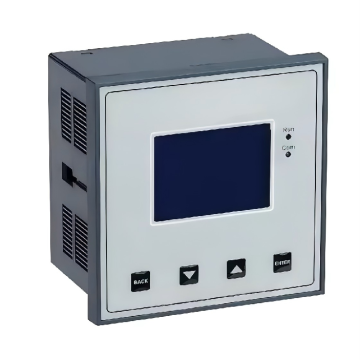
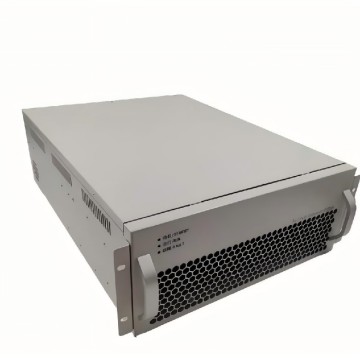
China Top Power System Modeling Leads the Global Market in 2025




B
Benjamin Green
I am incredibly satisfied with my purchase. The quality is unmatched!
27 June 2025
A
Anthony Edwards
The quality of this product is evident from the first use. Highly recommended!
26 May 2025
C
Charlotte Sanchez
Responsive and courteous service team! They helped me quickly.
24 June 2025
J
Jaxon Ramirez
Phenomenal quality! I’m really impressed with my purchase.
23 May 2025
R
Ryan Butler
Exceptional service! They genuinely care about customer satisfaction.
22 May 2025
C
Chase Kelly
What a fantastic product! Its performance has exceeded all my expectations.
18 May 2025