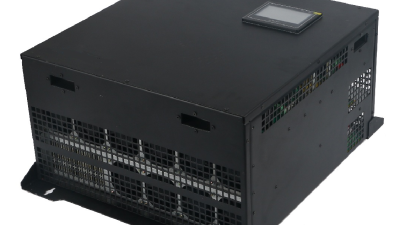
These days, it’s really important to have top-notch power quality in both industrial and commercial settings. So, picking the right technology can make a huge difference in how efficiently things run and how much it costs to operate. Recent reports are saying that the global market for Static Var Generators—or SVGs for short—is gearing up for some serious growth. Why? Well, the demand for reliable power and the need to keep voltage in check with renewable energy systems is only getting stronger. Baoyu Co., Ltd. has been in the game since 2015 and focuses on coming up with innovative solutions to tackle power quality issues. They’re all about researching and producing cutting-edge products, including those handy Static Var Generators. These clever devices are super important for keeping voltage stable and boosting power factor, especially when dealing with the ups and downs of dynamic loads and Harmonics in electrical systems. If you’re a stakeholder, it’s crucial to get a grip on the latest insights and trends in the SVG world. It’ll really help you step up your power management game!
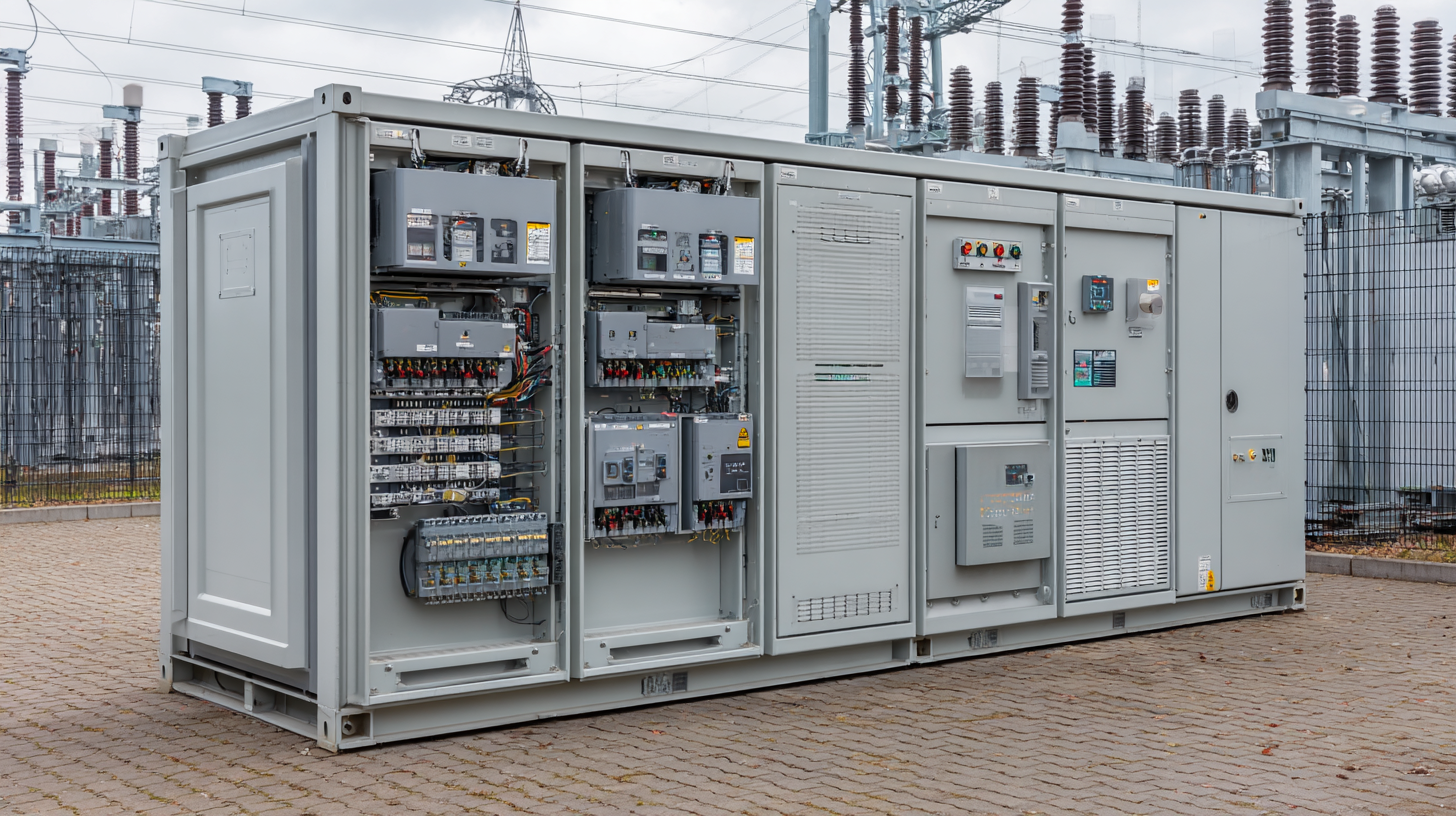
Understanding Static Var Generators: Basic Concepts and Benefits
You know, Static Var Generators, or SVGs for short, really play a super important role in keeping our electrical systems stable by managing voltage levels. If you're in the world of electrical engineering or working in the energy sector, getting a handle on what SVGs are all about is a must. Basically, these devices give us that essential reactive power support we need, which helps keep those voltage levels nice and steady. This is especially vital in today’s fast-paced world where demand can swing pretty wildly, leading to some serious issues if we're not careful. The perks of SVGs? Well, they boost power quality, enhance efficiency, and they can react really quickly to shifts in conditions—which is why they're a go-to option for dynamic power setups.
Lately, we've been seeing a bigger push for SVGs as industries focus on making Energy Systems more reliable and efficient. With the rise of renewable sources, the need for solid voltage regulation is only getting stronger. SVGs fit right into the picture, especially since they adapt so well to changes in generation and load. Plus, thanks to some nifty tech advancements, SVG designs are getting smaller and more efficient, making them suitable for everything from industrial plants to smart grids. So, if you're a stakeholder, it's super important to keep an eye on these trends to boost system performance and stay ahead in this ever-evolving energy landscape.
The Ultimate Guide to Choosing the Best Static Var Generator
Key Features to Consider When Selecting a Static Var Generator
So, when you're on the hunt for a Static Var Generator (SVG), it’s super important to get a grip on the key features that’ll help you nail down that optimal performance and efficiency. One thing you definitely want to keep an eye on is the response time. The faster the SVG can react to changes in load, the better it’ll be at stabilizing voltage levels, which, let’s be honest, makes your whole system way more reliable. Plus, don’t overlook those features that boost power factor correction; they can really help in cutting down your electricity bills and keeping energy losses to a minimum.
Another thing to think about is the control strategy the SVG uses. If it has advanced controls—like real-time monitoring and smart adaptive algorithms—it’ll be able to dynamically respond to grid fluctuations. This means you can count on it to run smoothly, even when the load’s all over the place. And hey, also check out how well the SVG integrates with your current power systems. If it plays nice with other power electronics like inverters and converters, you’ll have a much smoother setup. In the end, taking the time to consider these key features will definitely guide you in making a smarter choice when picking the right Static Var Generator for what you need.
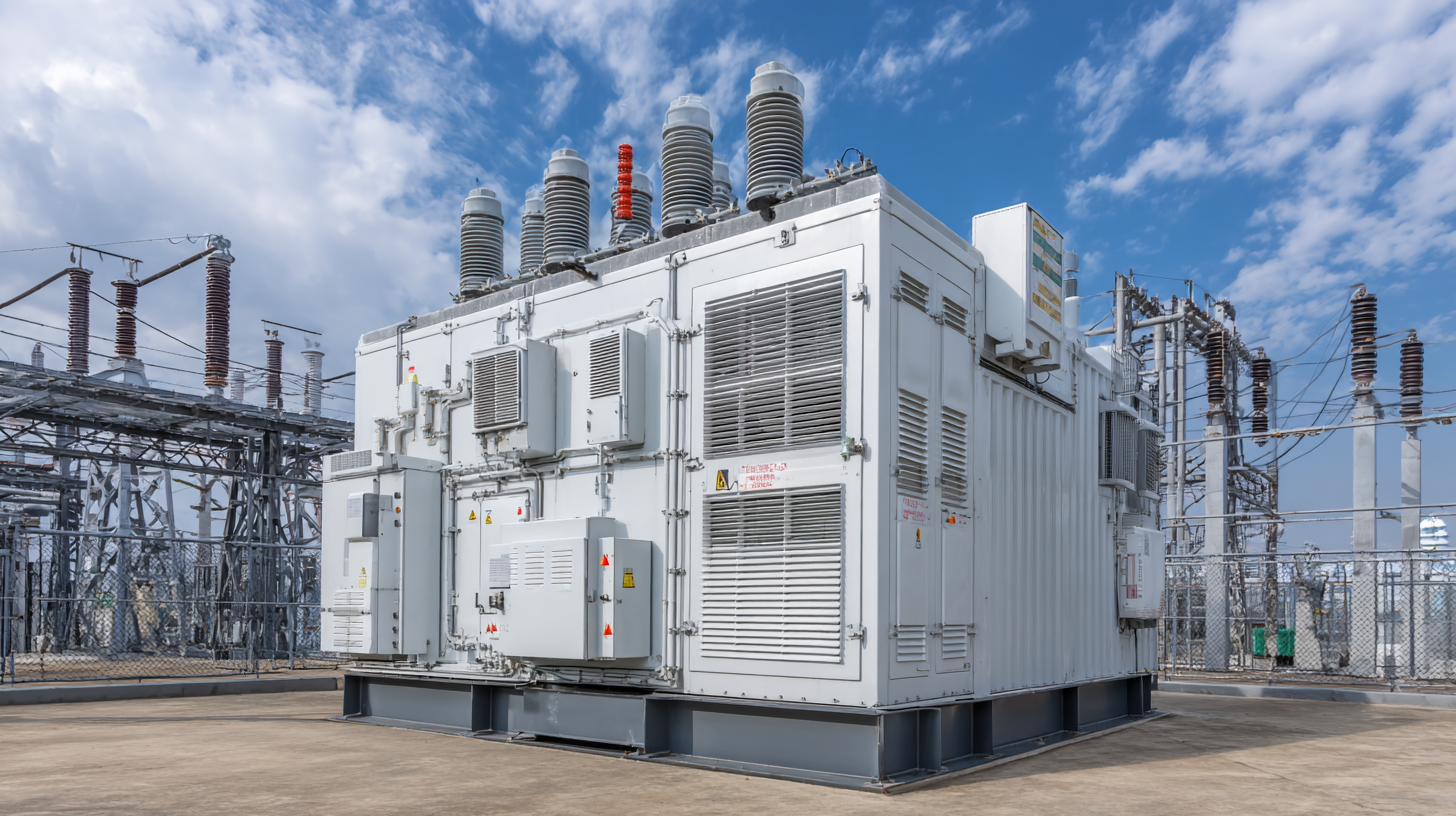
Analyzing Industry Trends: The Future of Static Var Generators
You know, the way Static Var Generators (SVGs) have evolved is super important for tackling those modern power quality issues we’re seeing today, especially with all the renewable energy sources popping up everywhere. There’s this new report from MarketsandMarkets that says the global SVG market is projected to jump from about $1.2 billion in 2022 to around $1.8 billion by 2027 — that’s a pretty significant compound annual growth rate of 8.5%! This boost is really being driven by the need for better voltage control and reactive power compensation in various industries.
And let’s not forget about the smart grid technologies that are really shaking things up for SVGs. The International Energy Agency (IEA) predicts that by 2030, smart grids will improve grid reliability, which will definitely help in making advanced SVGs that can use real-time data analytics way more common. This trend is not just about making energy more efficient; it’s also giving utilities the push they need to integrate distributed energy resources more smoothly. So, investing in SVG tech is a super crucial move if we want to build a sustainable and strong energy infrastructure that matches the global call for cleaner and more efficient energy systems.
Comparative Review of Leading Static Var Generator Brands
So, when you're trying to pick out the best Static Var Generator (SVG) for your power applications, it’s really important to get your head around the different brands and technologies out there. Each manufacturer has its own special features that help with voltage stability and reactive power compensation, which is why you’ve got to do a side-by-side comparison of the top choices on the market. You've got to think about things like how fast the generator responds, how efficient it is under different conditions, and whether it's compatible with renewable energy sources. These are becoming more and more crucial these days as we look to the future of energy.
Lately, there have been some cool advancements in SVG technology that are tackling the challenges of integrating a lot of renewable energy resources (RES) into the grid. We’re talking about issues like weak damping and low inertia that can really mess with voltage stability. That's why companies are starting to add smart grid features to their generators, allowing them to keep up with the ever-changing grid conditions. By diving into these key insights and industry trends, you can make smarter choices that not only boost power quality but also help create a stronger and more efficient grid overall.
Cost vs. Performance: Making the Right Investment in Static Var Technology
So, when you're looking at a Static Var Generator (SVG), it's really all about finding that sweet spot between cost and performance, right? You want to make sure you’re making a good investment here. It’s super important for businesses to weigh that initial price against all the long-term perks that come with quality static var tech. Sure, those cheaper options might catch your eye at first, but they often come with a bunch of downsides like lower efficiency, durability issues, and limited scalability. A solid SVG can really boost your power factor correction and keep voltage stability in check, which in the end, can lead to some nice energy savings that totally make up for that higher price tag upfront.
And let’s be real, the industry is shifting towards more advanced and integrated solutions, so it’s crucial to keep an eye on how technology is evolving. The latest innovations in static var tech don’t just promise better performance; they also adapt well to whatever future power demands throw at you. Sure, going for a top-notch SVG might mean shelling out more money upfront, but think about it: it’ll save you on long-term operational costs by cutting down on energy waste and maintenance hassles. By understanding the important link between cost and performance, businesses can really make smart decisions that drive sustainable growth and energize their whole operation.
The Ultimate Guide to Choosing the Best Static Var Generator: Key Insights and Industry Trends
| Parameter | Type A | Type B | Type C |
| Initial Cost | $15,000 | $20,000 | $25,000 |
| Maintenance Cost (Annual) | $1,200 | $1,500 | $1,800 |
| Output Power (kVAR) | 50 | 75 | 100 |
| Efficiency (%) | 95 | 96 | 97 |
| Response Time (ms) | 20 | 15 | 10 |
| Lifecycle (Years) | 10 | 12 | 15 |
Best Practices for Installation and Maintenance of Static Var Generators
You know, when it comes to installing and taking care of Static Var Generators (SVGs), really grasping the best practices is super important for keeping them running well and lasting a long time. These SVGs are key players in the power quality scene, helping to provide that dynamic reactive power support we need to keep voltage levels steady. Recent industry reports even say that if you use SVGs efficiently, you could see energy savings of up to 30%. That just shows how crucial it is to pay attention to how we install and maintain them.
So, one big thing to keep in mind during installation is to do a proper site assessment. You really need to consider environmental factors that might affect how they perform. Making sure there’s enough clearance and good ventilation is essential to keep them from overheating, which is a real headache in poorly designed setups. And don’t forget, regular maintenance is a must! You should be checking the system diagnostics and calibrating stuff to make sure the SVG is working at its best.
Here’s a tip: Honestly, setting up a routine maintenance schedule can be a game changer. Regularly inspecting and updating system controls and software is key because outdated tech can really make things less efficient. Plus, using predictive maintenance techniques is a smart move. It helps you spot issues before they turn into expensive problems. By focusing on these best practices, you can really extend the life of your Static Var Generators and keep power quality management in tip-top shape!
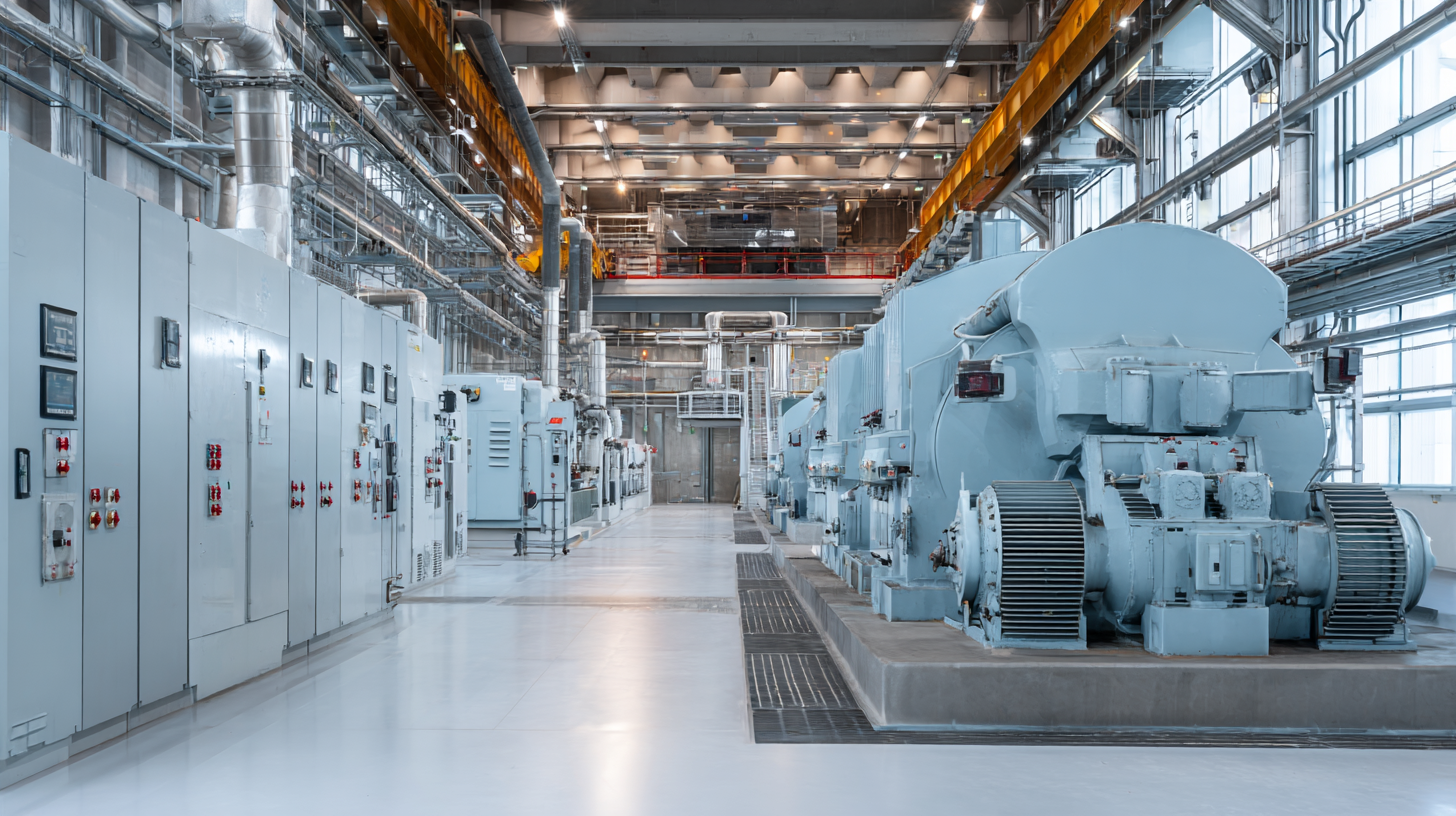
Maximizing Energy Efficiency: Insights from Recent Reports on Low Voltage Anti-Harmonic Reactive Compensation Solutions in Industrial Settings
In today's industrial landscape, maximizing energy efficiency is more crucial than ever, particularly as businesses seek to reduce operational costs and lessen their environmental impact. Recent reports highlight the effectiveness of low voltage anti-harmonic reactive compensation solutions, specifically focusing on Static Var Generators (SVG). These innovative systems play a pivotal role in optimizing reactive power management, ultimately enhancing power quality within industrial settings.
The SVG functions by adjusting its capacitance to provide essential reactive power compensation, particularly beneficial for AC motors. By actively managing reactive power, SVG units help maintain an optimal power factor, which is key in minimizing energy wastage. This technology not only supports the efficiency of industrial appliances but also facilitates better performance across various machinery, leading to significant cost savings in the long term. As industries increasingly adopt these solutions, they unlock new potential for improved energy management and sustainability.
Furthermore, the integration of SVGs can lead to reduced harmonic distortion in power systems, enhancing overall power reliability. By addressing these issues, businesses can operate their facilities more smoothly while adhering to regulatory standards. The deployment of low voltage anti-harmonic reactive compensation solutions, such as SVG, represents a critical step forward in achieving energy efficiency goals and driving sustainable industrial practices.
FAQS
: A Static Var Generator (SVG) is a device that provides dynamic reactive power support to maintain voltage levels within electrical systems, enhancing power quality and system reliability.
High-speed response time is essential for an SVG to quickly adapt to load changes, stabilizing voltage levels and improving the overall reliability of the power system.
SVGs enhance power factor correction, which can significantly reduce electricity costs by minimizing energy losses in the electrical system.
Advanced control strategies, such as real-time monitoring and adaptive algorithms, are important as they enable the SVG to dynamically respond to grid fluctuations and maintain stable operations under varying load conditions.
Good integration capabilities ensure that the SVG can work seamlessly with existing power systems and other electronics, such as inverters and converters, enhancing overall system performance.
Best practices include a proper site assessment to consider environmental factors, ensuring adequate clearance and ventilation, and designing the installation to prevent overheating.
Regular maintenance routines should be implemented that include system diagnostics, calibration checks, and routine inspections to ensure peak efficiency and extend the lifespan of the SVG.
Efficient operations of SVGs can enhance energy savings by up to 30%, highlighting the importance of meticulous maintenance and installation practices.
Predictive maintenance techniques help identify potential issues before they become costly problems, thereby improving the reliability and efficiency of the SVG.