Managing capacitors on power lines might not be the most glamorous topic, but honestly, it’s pretty crucial if we want our electrical systems to run smoothly and efficiently. Just take a look at the latest report from the International Energy Agency – they point out that adding capacitors to power lines can really help cut energy losses and keep voltage levels stable. And with global electricity needs soaring, especially since the IEA predicts a 40% jump in consumption by 2040, it’s clear we need to get smart about how we manage our existing resources, including thosE Capacitors.
On top of that, a study by the Electric Power Research Institute is pretty eye-opening. It shows that when capacitors are well taken care of, they can actually lengthen the lifespan of power lines and slash operational costs by up to 15%. As we shift more towards renewable energy sources and smarter grid tech, capacitors are only going to become more important—helping us handle reactive power and improve power factor. Basically, having good management strategies for these components means utilities can keep the system stable and save money at the same time. All in all, it’s about setting ourselves up for a cleaner, more reliable Energy Future. To help you out, we’ve put together seven top tips for managing capacitors on power lines effectively—so you get better performance and fewer headaches.

Best Practices for Selecting Capacitors for Power Line Applications
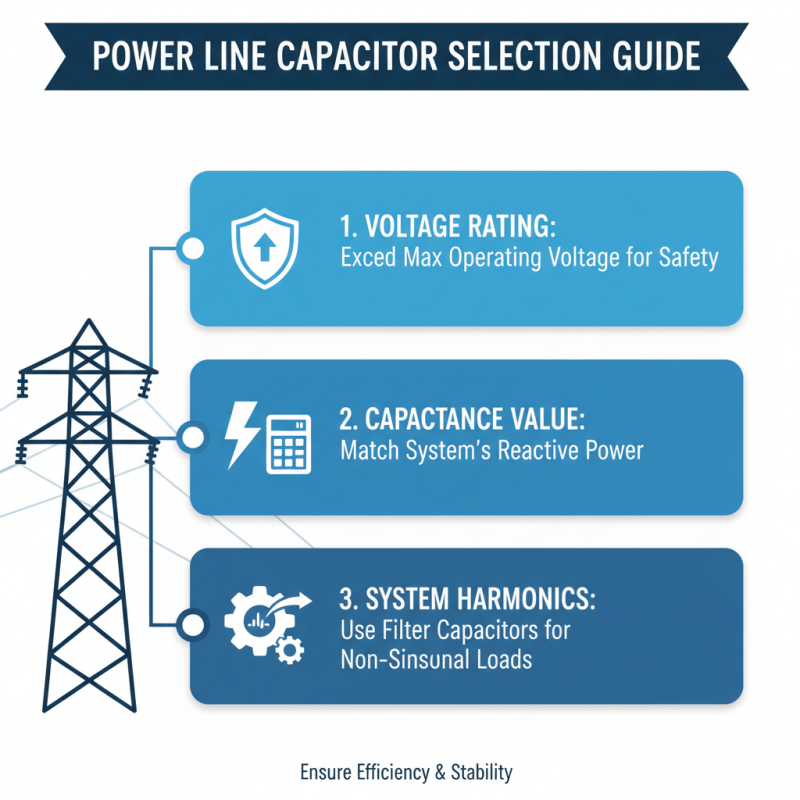
When it comes to selecting capacitors for power line applications, understanding the specific requirements of the installation is crucial. The first step in this process is to consider the voltage rating of the capacitor. It should comfortably exceed the maximum operating voltage to ensure reliability and safety. Additionally, the capacitor's capacitance value must be properly calculated to match the reactive power demands of the system, as improper capacitance can lead to inefficient power factor correction and potential system instability.
Another important factor to consider is the environmental conditions where the capacitors will be installed. Capacitors are subject to various stressors such as temperature fluctuations, humidity, and exposure to chemicals. Selecting capacitors with appropriate ratings for these conditions ensures longevity and reduces maintenance costs. Moreover, assessing the installation's physical constraints allows for more accurate sizing, ensuring that the capacitors fit within the available space while providing optimal performance. Implementing these best practices not only enhances system efficiency but also contributes to the overall reliability of power line operations.
Understanding the Role of Capacitors in Power Quality Improvement
Capacitors play a crucial role in improving power quality, particularly in electrical distribution systems. By managing reactive power effectively, they help to stabilize voltage levels and support the overall efficiency of the grid. Capacitors can reduce voltage fluctuations, which are often caused by fluctuating load demands, and enhance the reliability of power delivery. This improved power quality leads to better performance of electrical equipment and can significantly decrease the likelihood of outages, ensuring that both businesses and residential areas have uninterrupted access to electricity.
In addition to minimizing voltage drops, capacitors also contribute to reducing losses in transmission lines. They accomplish this by compensating for reactive power, which is essential for the operation of inductive loads such as motors and transformers. Improved power factor results in lower energy consumption and reduced utility costs for consumers. Moreover, the strategic placement of capacitors along power lines can help in balancing load distribution, thereby preventing overload conditions and extending the lifespan of power infrastructure.
Through these key benefits, capacitors not only enhance system performance but also support sustainability efforts by promoting a more efficient energy landscape.
Key Parameters to Consider When Managing Capacitor Banks
When managing capacitor banks on power lines, several key parameters must be considered to ensure optimal performance and efficiency. One of the most critical factors is the reactive power demand of the system, which can fluctuate based on load conditions. It is essential to accurately assess the reactive power needs to manage capacitor sizing effectively. An undersized capacitor bank may lead to insufficient power factor correction, increasing losses in the system, while an oversized bank can lead to overvoltage conditions.
In addition to reactive power demand, voltage levels and harmonics are crucial parameters to monitor. Maintaining appropriate voltage levels is vital for the stability of the power system, and capacitor banks should be positioned to regulate these levels effectively. Moreover, the presence of harmonics can significantly impact the performance of capacitors, causing heating and premature failure. Implementing filters or taking corrective actions to minimize harmonics can enhance the lifespan of the capacitor banks and improve overall system reliability. By prioritizing these parameters, utility companies can achieve better management of capacitor banks, ensuring reliable power delivery and optimized system efficiency.
Effective Monitoring Techniques for Capacitor Performance
Effective monitoring techniques for capacitor performance are crucial to ensuring the reliability and efficiency of power systems. One of the primary strategies is to implement real-time monitoring systems that utilize advanced sensors. These sensors can measure various parameters, including voltage, current, and temperature, allowing operators to detect abnormalities or performance degradation early. By analyzing this data, power utilities can predict potential failures and schedule maintenance before a capacitor completely malfunctions, thus avoiding unexpected outages.
Another important technique is the use of harmonic analysis to assess the impact of power quality on capacitor performance. Capacitors are often susceptible to harmonics, which can lead to overheating and reduced lifespan. By employing power quality monitoring equipment, operators can identify the presence of harmonic distortion in the system and take corrective measures, such as installing filter systems. This proactive approach not only enhances the longevity of capacitors but also improves overall system stability, resulting in more efficient power delivery.
Maintenance Strategies to Prolong Capacitor Lifespan on Power Lines
Maintaining capacitors on power lines is crucial for ensuring optimal performance and longevity. One of the primary strategies for prolonging capacitor lifespan is regular inspection and monitoring. This includes checking for signs of physical damage, corrosion, and ensuring that they are adequately secured. Utilizing thermal imaging can help identify hotspots that may indicate electrical issues, allowing for prompt intervention before problems escalate.
Another essential maintenance strategy involves ensuring proper environmental conditions. Capacitors are susceptible to moisture and extreme temperatures, which can affect their efficiency and lifespan. Incorporating weather-resistant enclosures to shield them from precipitation and implementing temperature control measures can significantly enhance their durability. Additionally, cleaning the capacitor surfaces periodically helps prevent dust and debris accumulation, which can impact their function. By adhering to these maintenance practices, the risk of failure can be minimized, thus enhancing the reliability of the power line system.
Common Challenges in Capacitor Management and Solutions
Effective management of capacitors on power lines is critical for maintaining grid stability and efficiency. One of the most common challenges faced in capacitor management is voltage fluctuation, which can adversely affect system performance. According to a report from the Electric Power Research Institute (EPRI), voltage fluctuations can lead to increased energy losses and equipment damage, emphasizing the need for timely monitoring and adjustment.
A proactive approach involves implementing real-time voltage monitoring systems that allow for immediate response to fluctuations. By using advanced analytics, utility managers can better assess the performance of capacitor banks and make necessary adjustments. One essential tip is to regularly schedule maintenance checks to identify and rectify potential issues before they escalate, thereby ensuring optimal operation and extending the lifespan of capacitors.
Another challenge in capacitor management is harmonics distortion, which can result from non-linear loads connected to the power system. Studies indicate that harmonics can reduce the efficiency of capacitor banks and negatively impact overall power quality. To counter this, utilities should consider installing harmonic filters in conjunction with capacitors. It’s vital to conduct a harmonic analysis during the planning phase to ensure compatibility and mitigate any adverse effects on system performance. Overall, adopting a comprehensive strategy that addresses these key challenges will lead to more reliable and efficient capacitor management.
Case Studies: Successful Capacitor Management in Power Distribution
Effective capacitor management in power distribution is essential for ensuring stability and efficiency in electrical systems. One notable case study involves a utility company that implemented a real-time monitoring system for capacitors across their network. By continuously analyzing performance data, they were able to identify faulty capacitors swiftly and optimize their operation schedules, leading to significant cost savings and improved power quality.
In another instance, a regional power distributor adopted a predictive maintenance strategy, utilizing advanced analytics to anticipate failures before they occurred. This approach led to a reduction in outage rates and enhanced customer satisfaction. These case studies highlight how proactive management techniques can optimize capacitor performance and reliability.
For those looking to manage capacitors effectively, consider the following tips. First, implement a regular inspection and maintenance schedule to identify potential issues early. Secondly, utilize data analytics to monitor capacitor performance continuously, allowing for timely interventions. Lastly, engage in training programs for personnel to ensure they are equipped with the latest knowledge on capacitor technologies and maintenance best practices. By focusing on these strategies, organizations can achieve greater efficiency in their power distribution networks.
Capacity Management on Power Lines
Enhancing Power Quality: Exploring the BY82 DS/480-30 Anti-EM Pulse Capacitor for Low EMI Solutions
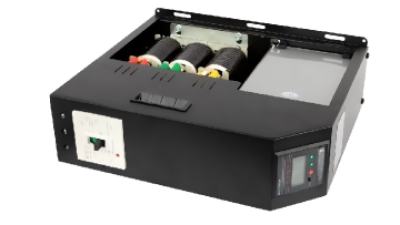
In today's rapidly evolving electrical landscape, enhancing power quality is more crucial than ever. The BY82 DS/480-30 Anti-EM Pulse Capacitor stands out as a vital component in modern power distribution systems, specifically designed to combat electromagnetic interference (EMI) efficiently. This intelligent combined anti-harmonic power capacitor, rated at 30 Kvar, not only offers significant reactive power compensation but also plays a pivotal role in power factor correction for AC circuits. According to a recent industry report, effective power factor correction can result in energy savings of up to 30% in commercial and industrial applications, underscoring the necessity of integrating advanced capacitors like the BY82 DS/480-30 into electrical infrastructure.
The anti-harmonic capabilities of this capacitor are particularly important in an era where non-linear loads from electronic devices generate unwanted harmonics, which can adversely affect power quality. By actively mitigating these harmonics, the capacitor ensures clean, safe power delivery in systems such as HVAC, where reliability is paramount. Studies indicate that the presence of harmonics can lead to overheating and premature failure of electrical equipment; hence, deploying advanced solutions like this capacitor can significantly prolong the life of sensitive devices. With low electromagnetic interference technology, the BY82 DS/480-30 also ensures that 3-phase systems maintain performance without the disruptions previously associated with electromagnetic pulses.
The integration of such innovative capacitor technologies is vital as industries strive for higher efficiency and sustainability. As energy demands continue to rise globally, the adoption of anti-EM pulse capacitors is a proactive approach to achieving robust power quality while safeguarding the integrity of electrical systems. Engaging with these modern solutions not only addresses immediate power quality challenges but also aligns with long-term energy management objectives.
FAQS
: Capacitors improve power quality by managing reactive power, stabilizing voltage levels, reducing voltage fluctuations, and enhancing the reliability of power delivery.
Capacitors help to stabilize voltage levels and minimize voltage drops, which can occur due to fluctuating load demands.
By improving power factor and compensating for reactive power, capacitors contribute to lower energy consumption and reduced utility costs for consumers.
Common challenges include voltage fluctuations and harmonics distortion, both of which can adversely affect system performance and equipment.
Implementing real-time voltage monitoring systems and conducting regular maintenance checks can help utility managers respond swiftly to fluctuations and ensure optimal capacitor operation.
Harmonic filters can mitigate the negative effects of harmonics distortion, which can reduce the efficiency of capacitor banks and overall power quality.
A proactive approach, which includes regular maintenance and timely adjustments, is essential to prevent potential issues, enhance system performance, and extend the lifespan of capacitors.
Strategic placement of capacitors along power lines can help balance load distribution and prevent overload conditions, leading to improved infrastructure longevity.
Capacitors support sustainability by enhancing system performance and promoting a more efficient energy landscape, ultimately leading to reduced energy waste.
Conclusion
Managing capacitors on power lines effectively is crucial for ensuring optimal power quality and system reliability. This article outlines best practices for selecting capacitors tailored for power line applications and highlights the important role these components play in enhancing power quality. Key parameters such as voltage rating, capacitance value, and thermal stability must be considered when managing capacitor banks.
Furthermore, effective monitoring techniques are essential to evaluate capacitor performance, while regular maintenance strategies can significantly extend their lifespan on power lines. The article also addresses common challenges faced in capacitor management and offers practical solutions. Finally, through case studies, it illustrates successful strategies employed in power distribution, emphasizing the importance of a well-structured approach to capacitor on power line management for improved efficiency and reliability.