Electrical engineering is an ever-evolving arena, wherein the entry of new technologies enhances efficiency and performance. Global buyers are now looking for the latest possible solutions; hence, Generator Capacitor technology would become one of the key modules that could bring considerable changes in energy distribution and stability. Companies like Baoyu Holdings Limited that are actively participating in this evolution are striving to produce modern commodities to quench the rising demand in a rapidly changing market.
Baoyu Holdings Limited intends to disrupt the generator capacitor industry while providing innovative solutions that enhance both reliability and sustainability. Having invested in research and development programs, we are proud to support our clients to become key partners as they strive to improve their Power Systems. This blog, therefore, will give insight into the future innovations in Generator Capacitor technology by focusing on trends, applications, and the critical role played by our company as one of the major players shaping the energy landscape for global buyers.
Overview of Current Generator Capacitor Technology
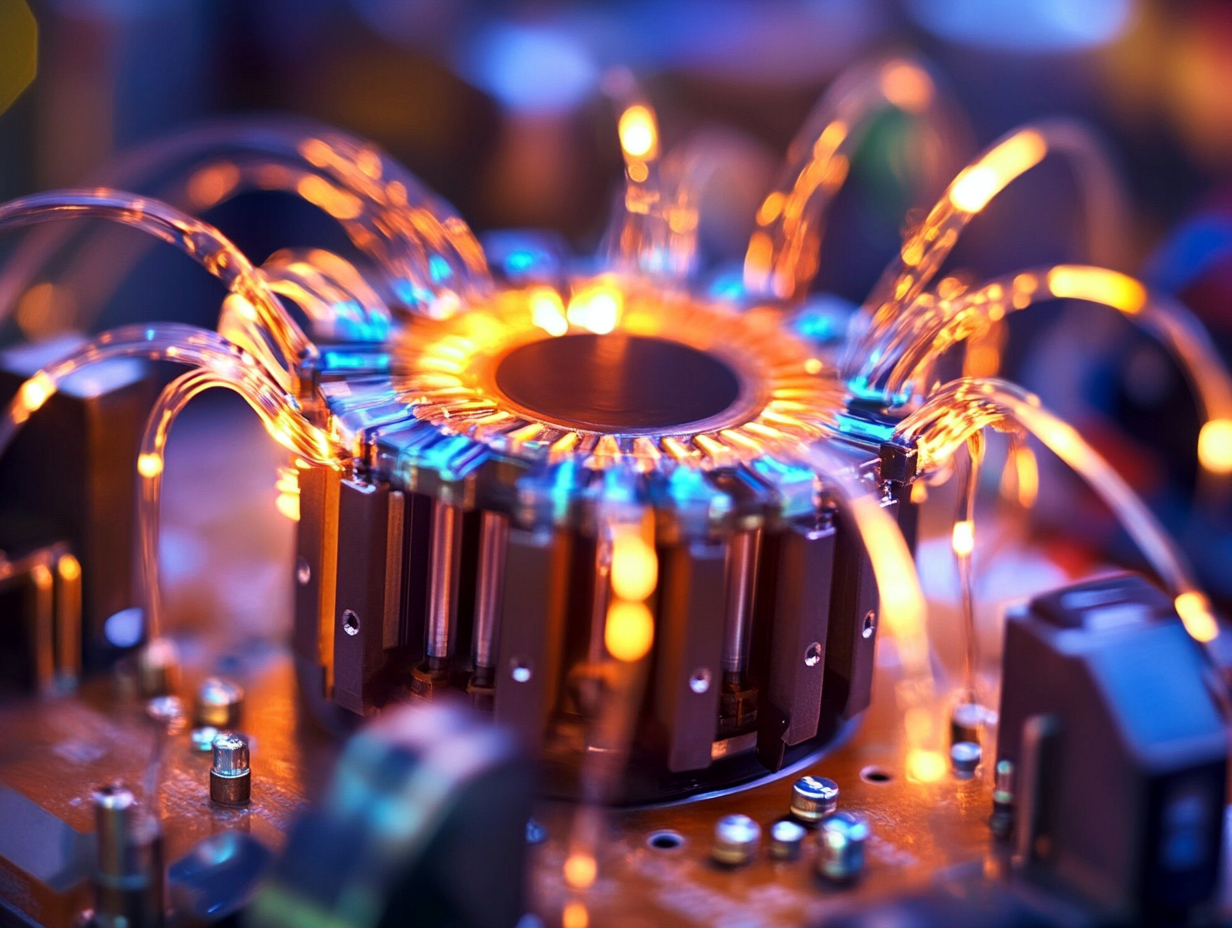
The advancements of generator capacitors go together with innovative energy storage developments made from old materials with innovative designs. Part of the leap forward is their making supercapacitors from mere materials like cement and carbon to achieve greater energy storage with sustainability. A different ferroelectric capacitor type was produced, boasting energy density superior to all normal devices in an order of magnitude of up to 19 times. Such a technology is not just for improving the efficiency of electrostatic energy storage but is also stretching the limits. Furthermore, thE Capacitor arrays market is rapidly evolving and thus speeding the digitalization and innovations across different sectors. Researchers are designing new concepts for example triboelectric nanogenerators with fixed inherent capacitance, which could herald a new future for generators in collecting environmental energy. As an ever-increasingly sophisticated technological landscape emerges, global buyers search for innovative methods to solution generator capacitor technology while concentrating on advancing performance and efficiency.
Key Challenges in Existing Capacitor Designs
The latest materials are now providing a pathway towards improved efficiency in capacitor technology, which is particularly critical for renewable energy systems. The development of new materials is, therefore, essential in the manufacture of the advanced capacitors that stabilize the power systems, especially as the entire world is moving into green practices to meet the carbon neutrality goal. This is also evident in the recent development of multifunctional supercapacitors utilizing newly found combinations of cement and nanomaterials.
There is a possibility that research into humidity-driven energy generation and biodegradable capacitors could also change the dynamics of energy storage design. These innovations contribute to performance while addressing the need for sustainable and eco-friendly technologies. As material science advances, we are likely to witness a paradigm shift that can redefine capacitor applications across various sectors thereby enhancing their efficiency in the utilization of renewable energy.
Emerging Materials for Enhanced Capacitor Efficiency
The rapid digitalization across the energy domain has an impactful role in enhancing the performance of capacitor condition monitoring, thereby improving efficiency and reliability of power systems. With advanced monitoring technologies, real-time data analysis provides the means for operators to detect and avert potential issues, thus allowing them to be fixed before they become serious. This revolutionizes the concept of capacitor performance improvement, which moreover enhances the stability of large electrical grids.
Recent advancements such as the large-scale electromagnetic transient simulation platform indicate how digital tools are being integrated into energy management. These technologies feed information on the complex behaviors of grids accomplished so that capacitors can function efficiently in the new energy arenas. As the demand for renewable energy sources grows, this ability to monitor and manage capacitor performance digitally becomes vital in facilitating responsive sustainable energy solutions and the maintenance of world grids.
Trends in Smart Capacitor Technology for Generator Applications
Sustainability has become a cornerstone in the making of capacitors and thus has thrown all the innovators to work exploring materials that are eco-friendly and production techniques that are green. Very recently, engineers have made supercapacitors working on energy storage using only cement, water, and carbon black-an other inspiring combination of old with new technology. These deliver requirements in energy storage while practicing sustainability through sources that are abundant.
As the capacitor arrays market expands, these changes will significantly boost digital transformation. The incorporation of hybrid technologies in energy systems will complement the introduction of smart capacitors in energy grids for better energy management. Undergoing such innovations headlong into a circular economy, where fewer wastes are generated and more resources are consumed rightfully, show how the future of capacitor technology will no longer be just about the performance but also at the other end: environmental responsibility.
Impact of Digitalization on Capacitor Performance Monitoring
As demand for next-generation capacitors ramps up, the first heavy step toward applicationally oriented advanced technologies is upon us and encompasses the drastically changing requirements of various industries. One such immediate example, the recent launching of China's new aircraft carrier employing electromagnetic launch systems, establishes advanced capacitor technologies as a potential player for improved operational efficiency. It is a reminder of the ceaseless race for the advancement of high-capacity energy storage systems.
In the EV industry, supercapacitors are beginning to get all the attention because they can store and release energy very quickly. As seen from recent whirlwinds of activity, they are drastically enhancing vehicle performance with spectacular accelerations. All of this points to a very vibrant market focused on sustainable energy solutions that charge rapidly, thereby naturally constructing much more emphasis on capacitor technology, largely driven by the automotive industry's large demand for high efficiency and reliability.
Sustainability and Eco-Friendly Innovations in Capacitor Manufacturing
Capacitor technology stands on the verge of tremendous advances, which could include many industrial fields, especially energy generation and storage. The recent innovations in generator capacitors will enhance their efficiency and reliability so much that they are now considered essential elements of modern power systems. Energy sector industries are heading toward cleaner alternatives, and capacitor technology will capitalize on this trend to enhance performance and shrink carbon footprints.
Great research and creative developments are seen in recent times, such as the new nanogenerators that support liquid-to-liquid charge transfer in aqueous environments. This may open doors for energy storage but also applications in bioelectronics, with sustainable solutions catering to world energy demand. As capacitor technology progresses, it is indeed going to accommodate newer functionalities addressing challenges in the present energy systems, attracting global buyers towards innovations which are sustainable.
Market Demand Analysis for Next-Gen Capacitor Solutions
Keeping up with the present advancements in capacitor technology, fresh applications in different industrial sectors have emerged. To mention one, developments in flexible, biodegradable supercapacitors that can dissolve in the body were designed for both internal and external applications. This innovative design addresses the growing demand for eco-friendly materials, whereas, in medical applications, curbing environmental degradation must go hand-in-hand with expected performance.
On the energy harvesting front, triboelectric nanogenerators research shows promise towards walking-powered devices that can serve as potential beneficiaries. These technologies operate by harnessing frictional mechanical energy and may play an incredible role in energy supply for miniature devices, thus dovetailing with the growing IoT. This evolution in capacitor technology demonstrates a more prominent alignment with the idea of interconnection and sustainability.
Case Studies of Successful Implementations in Various Industries
As new innovations continue to emerge within the renewable field, some difficulties in the capability of generator capacitors remain perhaps the greatest challenge. The recent thrust in innovation for offshore wind power is calling for the design of more efficient and more reliable capacitors. Current models of capacitors generally find it difficult with high operational stresses and thermal management, which could, in turn, adversely affect their performance in rigorous environmental conditions such as those inside wind turbines.
In wind energy technology, China is at the forefront, which puts this challenge at an immediate scale. The successful launching of the world's first 20MW evaporative cooling permanent magnet wind turbine generator has led the industry to investigate further approaches to enhancing the longevity and performance of capacitors. Surmounting these technical hurdles will not only help the continuing expansion of wind energy, but also to achieve the sustainable development goals for the countries in light of climate change.
Future Prospects and Potential Game-Changers in Capacitor Technology
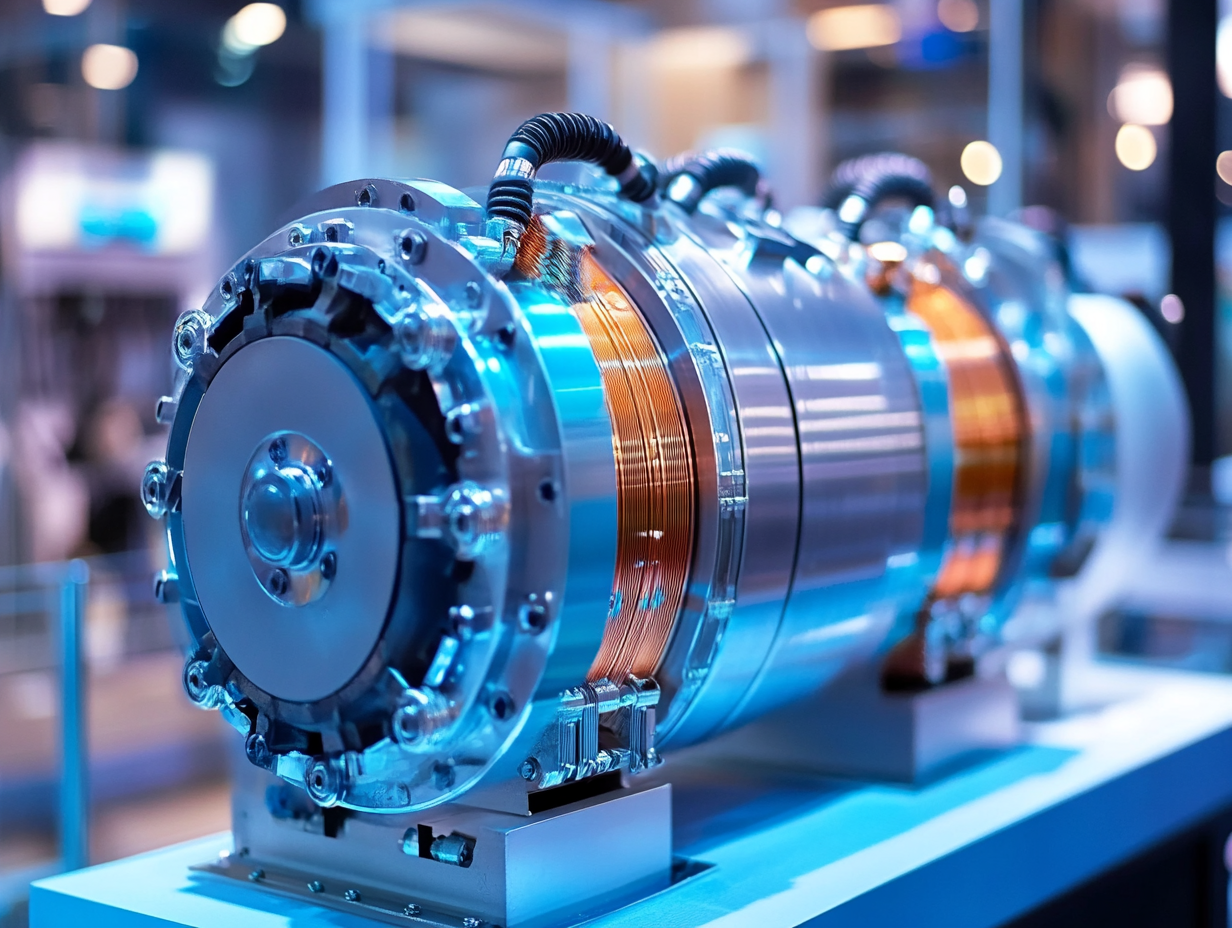
Underneath the advancing smart capacitor technology for generator application, development is happening fast and furious. Recently promising materials science has coursed ferroelectric capacitor 19 times higher energy density than previous models. This development raises energy storage capacity above the existing state-of-the-art and also has over 90% efficiency, putting this option in good stead for the energy needs of modern generators.
Innovative designs such as triboelectric nanogenerators are being merged, thus creating further infrastructures below which energy generation and management may operate. In essence, the aforementioned advances provide avenues for the design of more efficient energy systems, greatly enhancing generator performance in a range of applications. As technologies become matured, global buyers can expect smarter energy-efficient capacitor solutions that will redefine energy storage and energy use of generator systems.
Collaboration Opportunities for Global Buyers in Capacitor Development
It is this interplay between global buyers and innovators in capacitor technology that has immense possibilities for transforming energy storage solutions. Meanwhile, recent developments in sustainable carbon-cement supercapacitors point to ways in which materials with minimal environmental impact may provide effective energy storage. Such collaborations may lead to new designs for energy storage that are efficient and respond to various energy needs from different sectors.
Interestingly, newly forging materials, such as ferroelectrics that feature energy density 19 times higher than that of traditional ones, can channel even more advantageous partnerships. Thus, global buyers can combine their resources and expertise with advanced researchers in energy storage to launch innovations with improved performance and efficiency. Such ventures are important for the optimal realization of emerging technologies to eventually meet growing worldwide energy demand.
FAQS
Recent advancements include the development of supercapacitors made from cement and carbon, as well as a new type of ferroelectric capacitor with 19 times the energy density of current models.
Supercapacitors made from simple materials like cement and carbon enhance energy storage capabilities while promoting environmentally friendly practices.
Existing capacitor designs struggle with high operational stresses and thermal management, particularly in demanding environments like offshore wind turbines.
The renewable energy sector highlights the need for more efficient and reliable capacitor designs to support advancements in technologies like offshore wind power.
China leads in wind energy technology, recently launching the world’s first 20MW evaporative cooling permanent magnet wind turbine generator, addressing capacitor longevity and performance challenges.
Researchers are exploring designs such as triboelectric nanogenerators with constant intrinsic capacitance, which could change how generators harness environmental energy.
Capacitor arrays are evolving rapidly, fueling digital transformation and innovation across various industries by enhancing performance and efficiency.
High operational stresses can lead to performance issues in capacitors, especially in challenging environments such as those found in wind turbines.
Improving capacitor technology aims to enhance performance and reliability, supporting global sustainability goals and the expansion of renewable energy sources.


