Hey there! You know, with the energy landscape changing so fast these days, the need for efficient and reliable power quality products is sky-high. At the heart of this revolution are High Power Capacitors – they really are game changers when it comes to boosting energy efficiency and keeping electrical systems stable. Not only do thesE Capacitors help fix power quality problems, but they also make it easier to bring renewable energy sources into the mix. Honestly, they’re pretty essential for the energy frameworks we’re using today.
Take Baoyu Co., Ltd., for instance. They’ve been around since 2015 and are all about tapping into the power of High Power Capacitors through some really innovative design and engineering.
With their solid expertise in R&D and making top-notch power quality products, like active harmonic filters, static var generators, and capacitor banks, they’re tackling the challenges industries face in keeping their power conditions just right. By making the most of High Power Capacitors, they're offering smart solutions that not only improve overall system performance but also help in sustainability. As we dig deeper into the vast potential these technologies hold, it's clear that High Power Capacitors are going to remain a major player in our ongoing quest for energy efficiency and reliability.
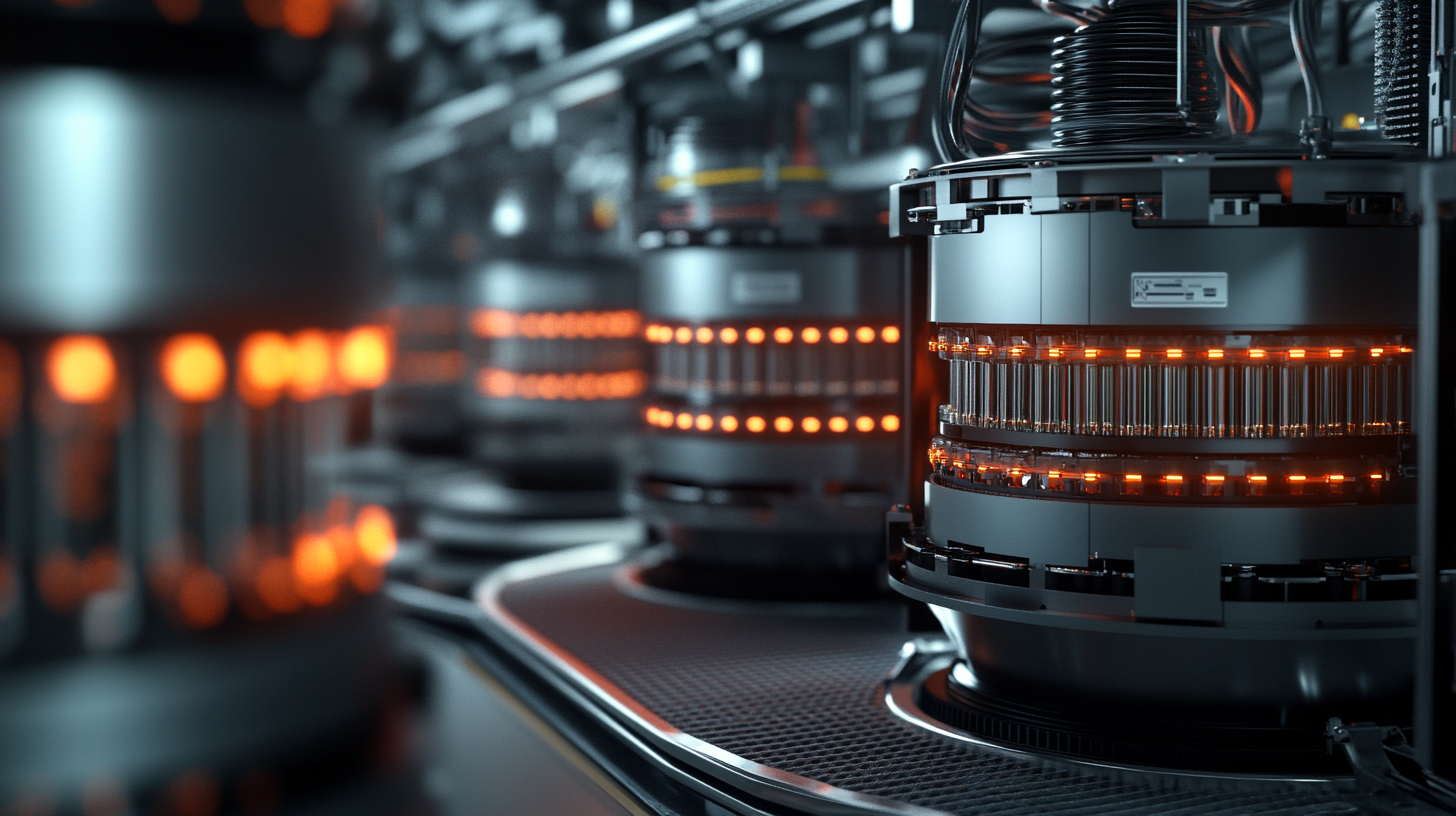
Understanding High Power Capacitors: A Modern Energy Perspective
High power capacitors play a critical role in modern energy solutions, leveraging advanced dielectric materials to enhance performance and efficiency. Recent developments in high-performance dielectric ceramic films have significantly improved the energy storage capabilities of capacitors, allowing them to store energy in the form of an electrostatic field. This characteristic enables them to release energy rapidly, catering to the demands of various high-power applications. Understanding these materials and their behavior under different conditions is essential for maximizing their effectiveness in energy storage systems.
The rise of hybrid energy storage systems, which integrate various technologies to optimize performance, has further underscored the importance of high power capacitors. These systems often combine traditional battery technologies with capacitors, leveraging the quick discharge capabilities of capacitors alongside the sustained energy supply of batteries. As energy demands increase and the push for renewable sources continues, the integration of high power capacitors in hybrid systems provides a pathway toward more resilient and responsive energy infrastructures.
With a future leaning towards sustainable energy solutions, the continual research into the properties of dielectric materials will pave the way for innovative applications in energy storage. By advancing our understanding of these high-performance components, we can unlock new possibilities in energy management, grid stability, and the overall efficiency of electrical systems. As we explore the applications and improvements in high power capacitors, it becomes evident that they are essential in meeting the challenges of modern energy demands.
Key Advantages of High Power Capacitors in Energy Storage Solutions
High power capacitors are really stepping into the spotlight as key players in the world of modern energy storage. They come with a bunch of advantages that just make them essential for everything from renewable energy setups to electric cars. Just to put it into perspective, a recent report by the Energy Storage Association says the global energy storage market is expected to skyrocket to almost $100 billion by 2027. And guess what? High power capacitors are going to be a big part of that growth, thanks to their top-notch energy density and quick discharge capabilities.
One of the coolest things about high power capacitors is how they can deliver power instantly. This is super important for situations where you need that quick energy boost. For example, in renewable energy systems, these capacitors help smooth out the ups and downs of power generation, making sure end-users get a steady supply. A study from Research and Markets in 2022 found that high power capacitors can actually boost the performance of wind and solar energy systems by up to 30%. So yeah, they really help with grid reliability and efficiency.
Plus, let's talk about longevity. High power capacitors have a long lifespan and don’t demand much maintenance, especially when you stack them up against traditional batteries. While a regular lithium-ion battery might only last around 2,000 charge cycles, high power capacitors can take over a million cycles, according to the International Journal of Energy Research. That not only saves you money in the long run but also helps create a more sustainable energy system by cutting down on waste and resource use. As we see a growing need for efficient energy storage options, high power capacitors are set to make a real difference in how our energy landscape evolves in the future.
Unleashing the Potential of High Power Capacitors for Modern Energy Solutions
| Advantage | Description | Application | Impact |
| High Efficiency | Able to charge and discharge quickly with minimal energy loss. | Electric vehicles, renewable energy systems. | Enhances overall system efficiency and performance. |
| Long Life Span | Offers stable performance over millions of charge/discharge cycles. | Grid energy storage, backup power systems. | Reduces maintenance costs and increases reliability. |
| Fast Response Time | Can respond to load changes in microseconds. | Frequency regulation in electrical grids. | Improves grid stability and reduces the risk of blackouts. |
| High Power Density | Stores and delivers more power in a smaller package. | Portable power systems, high-performance electronics. | Enables compact design and application versatility. |
| Environmentally Friendly | Contains no toxic materials and can be recycled easily. | Green energy solutions, sustainable technologies. | Supports eco-friendly initiatives and compliance. |
Applications of High Power Capacitors in Renewable Energy Systems
High power capacitors are becoming increasingly vital in the realm of renewable energy systems, providing both efficiency and reliability. These components are designed to store and discharge large amounts of energy rapidly, making them ideal for applications where quick bursts of power are necessary. For instance, in wind energy systems, high power capacitors can smooth out the fluctuations in power delivery caused by changing wind speeds. By temporarily storing excess energy produced during high wind conditions, they ensure a more consistent power output to the grid, enhancing the overall stability of renewable energy sources.
In solar energy applications, high power capacitors play a crucial role in managing energy storage and conversion. They assist in absorbing the initial surge of energy generated during peak sunlight hours, enabling systems to release this energy steadily over time. This functionality is particularly beneficial for integrating solar power into existing power grids, helping to mitigate issues such as voltage spikes and fluctuations that can disrupt service. Moreover, high power capacitors contribute to the development of smarter energy systems by facilitating improved energy management and storage solutions, thus supporting a more sustainable energy future.
As the demand for renewable energy continues to rise, the integration of high power capacitors in energy systems is essential for optimizing performance and reliability. These advanced components not only enhance energy efficiency but also enable the seamless transition towards a greener energy landscape. Their applications span across various platforms, showcasing their versatility and importance in modern energy solutions.
Applications of High Power Capacitors in Renewable Energy Systems
Enhancing Power Quality: The Role of High Power Capacitors
High power capacitors are pretty essential when it comes to boosting power quality, and let’s be real—that's more important than ever in today’s energy scene. The global market for capacitor banks is set to hit a whopping USD 5.1 billion by 2033, which really shows how much we need efficient and reliable energy solutions now. These capacitors do a great job at tackling issues like voltage sags, harmonics, and reactive power loss in electrical systems, making sure we’ve got a more stable and efficient energy flow.
Lately, there have been some exciting new developments, like the proposed 17-level quadruple boost switched-capacitor inverter. This highlights some of the innovative ways folks are looking to tap into the full potential of high power capacitors. By using fewer components while still cranking up performance, these new technologies really showcase the push for more efficiency in energy conversion. Plus, optimizing where capacitor banks are placed in distribution networks—thanks to advanced techniques like multi-objective particle swarm optimization—really shows how committed the industry is to squeezing out every bit of energy efficiency and cutting costs.
As we move forward in the shift towards greener energy, high power capacitors are definitely a hot topic in conversations about power quality. Companies like Hitachi Energy are already stepping up to provide tailored solutions for different voltage systems, emphasizing just how crucial these components are in today’s electrical setups. When we bring in cutting-edge capacitor tech, it not only boosts the reliability of our energy systems but also aligns with the bigger picture of sustainability and keeping costs down in energy production and distribution.
Unleashing the Potential of High Power Capacitors for Modern Energy Solutions
Enhancing Power Quality: The Role of High Power Capacitors
Challenges and Solutions in High Power Capacitor Technology
You know, high power capacitors are super important in today’s energy world, especially with everyone wanting more reliable and efficient ways to store power. But honestly, there are some pretty big challenges that we still need to tackle if we want to make the most out of this tech. One major issue? Thermal management. When these capacitors are pushed to high power levels, they generate a lot of heat—enough to potentially harm the components and drag down efficiency. We really need to come up with better cooling techniques and new materials to help these capacitors perform their best, no matter the conditions around them.
Then there's the whole longevity and reliability aspect. As we dive deeper into critical areas like renewable energy and electric vehicles, it’s crucial that these capacitors not only perform well but also last through countless cycles. This means we need to keep researching smarter materials and manufacturing methods that can handle the tough process of frequent charging and discharging. For example, looking into polymer-based dielectrics might just be the key to increasing their lifespan and stability.
And let's not forget about cost—that’s still a pretty big hurdle for getting these high power capacitors out there on a larger scale. Even though we’ve made some strides, a lot of the cutting-edge tech out there can still be a bit pricey compared to the more traditional options. To tackle this, manufacturers are really putting their money into scalable production methods and checking out alternative materials that could help bring costs down without skimping on performance. It’s all about teamwork too; collaboration between industry leaders and research institutions is absolutely essential for pushing out innovations that could ease the financial load tied to these high-performance components.
Future Trends: Innovations in High Power Capacitor Development
You know, the future of high power capacitors is about to get super exciting, especially with all the buzz around smart electrification in the automotive world. With everyone pushing for electric vehicles (EVs), these capacitors are turning into must-have components. They’re all about helping cars store and release energy faster, which is pretty essential for today’s high-performance auto needs. And guess what? These advancements could mean not just better performance for vehicles but also a boost in energy efficiency, giving us a nice little push towards a greener planet.
We’re seeing some interesting trends too, like a move towards blending high power capacitors with cutting-edge semiconductor tech. That combo is really crucial for advancing electric drive systems. The industry’s trying to come up with multi-functional electronic systems, which shows just how much we need capacitors that can quickly store and deliver power. Thanks to some breakthroughs in materials and designs, manufacturers are now cranking out lighter, more efficient capacitors that can handle higher voltages—perfect for the next-gen electric cars.
As the automotive and semiconductor folks team up more, there's no doubt high power capacitors are going to be key in unlocking cool new energy management and storage solutions. This partnership really puts capacitors at the heart of making transportation more sustainable, signaling a significant shift that’s likely to reshape the future of energy technologies. The progress we’re expecting in this field might not just change how cars work, but also spark further innovations across a bunch of high-tech industries.
Case Studies: Real-World Impact of High Power Capacitors in Energy Management
You know, high power capacitors have really become key players in today’s energy management systems. They’re tackling the big challenges of efficiency and reliability like champs across a bunch of different applications. There’s some interesting research from the Electric Power Research Institute (EPRI) that shows how these capacitors help stabilize the grid by smoothing out voltage spikes and providing reactive power support. In the world of power generation, they’re doing wonders for renewable energy sources too—helping manage the ups and downs and ensuring a steady flow of energy to the grid.
Take a look at some real-world examples: in the industrial sector, there’s this case study by the International Council on Large Electric Systems (CIGRÉ) that spotlights a manufacturing facility in Germany. They actually managed to cut their energy costs by 20% after installing a high power capacitor bank for power factor correction. That’s not just about saving money; it’s also a win for the environment, as it helped lower carbon emissions. Pretty cool, right?
And let’s not forget about electric vehicles (EVs). High power capacitors are super important for fast charging stations. Research from the Institute of Electrical and Electronics Engineers (IEEE) points out that these capacitors can really speed up charging times. In fact, a case study out in California showed that by integrating high power capacitors into charging stations, they were able to cut charging time by almost 30%. That’s a huge deal because it helps tackle one of the biggest barriers to EV adoption.
So, all in all, these examples show just how transformative high power capacitors can be for improving energy management systems. They’re not only supporting economic goals but also helping out the environment. As we keep craving more efficient and reliable energy solutions, strategically using these capacitors will be essential to shaping where energy consumption and generation are headed in the future.
Comparing High Power Capacitors with Traditional Energy Storage Solutions
You know, high power capacitors are really starting to shine as key players in today’s energy game. People are definitely paying more attention to them compared to old-school energy storage methods like batteries. Instead of relying on chemical reactions to store and release energy like batteries do, these capacitors use electrostatic fields. This means they can discharge energy super quickly, which is awesome for things that need a quick power boost, like electric cars and renewable energy setups.
When you start looking at why high power capacitors are better than traditional storage options, their longer lifespan really stands out. Batteries can wear out over time because of those pesky chemical reactions, but high power capacitors can handle millions of charge and discharge cycles without really losing their touch. This means you won’t have to swap them out as often, saving you some cash in the long run and being kinder to the environment. Plus, they’re small and lightweight, making them a great pick for situations where every bit of space and weight counts.
And get this: high power capacitors charge way faster than regular batteries. This is such a game changer for things that need quick energy boosts, like stabilizing the grid or those regenerative braking systems. They can deliver a power surge in no time flat, which not only makes the whole system run smoother but also helps keep energy supplies reliable. As technology keeps moving forward, I can’t help but think that high power capacitors are going to play an even bigger role in the future of energy storage. They’re becoming an essential part of our modern energy infrastructure, for sure.
FAQS
: High power capacitors are devices that store energy in the form of an electrostatic field, allowing for rapid energy release. They are important because they enhance performance and efficiency in energy storage systems, catering to high-power applications.
High power capacitors are integrated with hybrid energy storage systems by combining their quick discharge capabilities with the sustained energy supply from traditional batteries, optimizing performance as energy demands increase.
High power capacitor technology faces challenges including thermal management, longevity and reliability, and high costs, all of which need to be addressed to maximize their potential in energy solutions.
Thermal management is a significant issue because operating at high power levels generates substantial heat, which can damage components and reduce efficiency. This necessitates the development of advanced cooling techniques and innovative materials.
Research into dielectric materials is crucial as it can lead to improved energy storage capabilities and enhanced performance in high power capacitors, unlocking innovative applications in energy management.
To improve longevity and reliability, ongoing research is needed into better materials and manufacturing processes, such as exploring polymer-based dielectrics that can withstand the wear of frequent charging and discharging.
The high costs of cutting-edge high power capacitors pose a barrier to widespread adoption, as they are often pricier than traditional solutions, making it essential for manufacturers to find ways to lower costs while maintaining performance.
Collaborative efforts are essential to drive innovations in high power capacitor technology, focusing on scalable production techniques and alternative materials to reduce costs and improve performance.
Future trends indicate that high power capacitors will play a critical role in renewable energy systems, providing the necessary support for energy storage and management in sustainable energy solutions.
Hybrid energy storage systems contribute to energy resilience and responsiveness by integrating high power capacitors and batteries, allowing for quick energy release alongside sustained supply, thus addressing fluctuating energy demands effectively.